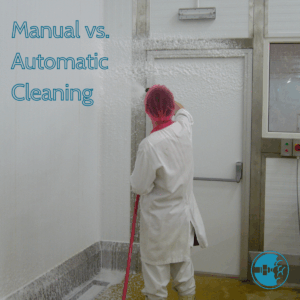
Manual vs. Automatic Cleaning
𝐌𝐎𝐒𝐓 𝐅𝐀𝐂𝐓𝐎𝐑𝐈𝐄𝐒 𝐃𝐎𝐍’𝐓 𝐂𝐇𝐎𝐎𝐒𝐄 𝐎𝐍𝐄 𝐌𝐄𝐓𝐇𝐎𝐃 – 𝐓𝐇𝐄𝐘 𝐔𝐒𝐄 𝐁𝐎𝐓𝐇
In many discussions about hygiene in food production, cleaning is often framed as a decision between manual or automatic systems.
But if you look at real production environments, that is rarely the case.
Most factories don’t choose one method.
They combine both — in a structured and very practical way.
Because different parts of a production line simply have different requirements.
𝐖𝐇𝐘 𝐀 𝐌𝐈𝐗 𝐈𝐒 𝐓𝐇𝐄 𝐍𝐎𝐑𝐌
Some areas in production are built for automation:
closed systems, long lines, or equipment where access is limited or time-consuming.
Other areas require flexibility:
for inspection, for sensitive components, or for cleaning steps that change depending on product or shift.
Trying to solve everything with one approach usually creates problems — either in consistency or in efficiency.
𝐄𝐗𝐀𝐌𝐏𝐋𝐄 𝐅𝐑𝐎𝐌 𝐏𝐑𝐀𝐂𝐓𝐈𝐂𝐄
Take a typical filling and packaging line.
The inside of the filling system itself — including pipes, valves, and internal product contact surfaces — is often cleaned automatically.
It ensures that the same cleaning cycle runs every time, regardless of shift or operator.
But once you move outside of the closed system, the situation changes.
Frames, external surfaces, connection points, or hard-to-reach areas are often cleaned manually.
Here, operators can visually check the result, adjust the cleaning intensity if needed, and focus on specific risk areas.
𝐓𝐘𝐏𝐈𝐂𝐀𝐋 𝐒𝐎𝐋𝐔𝐓𝐈𝐎𝐍𝐒 𝐈𝐍 𝐏𝐑𝐀𝐂𝐓𝐈𝐂𝐄
In most production environments, cleaning is not solved with one single system.
Instead, different tools are used depending on the area, the equipment, and the type of cleaning required.
𝐅𝐨𝐫 𝐦𝐚𝐧𝐮𝐚𝐥 𝐚𝐧𝐝 𝐟𝐥𝐞𝐱𝐢𝐛𝐥𝐞 𝐜𝐥𝐞𝐚𝐧𝐢𝐧𝐠 𝐚𝐫𝐞𝐚𝐬
→ foam cleaning units for controlled surface application
→ hose reels for easy handling and reach within production areas
→ wash guns for targeted rinsing and detail cleaning
→ mobile cleaning stations where layouts or requirements change
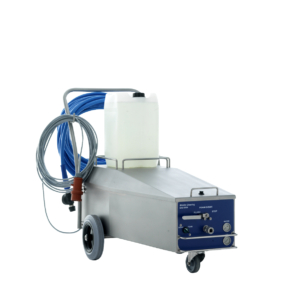
Mobile cleaning unit
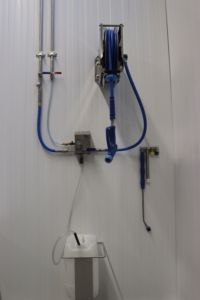
Wall-mounted station including satellite unit, hose reel, and wash gun.
These solutions are typically used where operators need flexibility, direct control, or visual inspection during cleaning.
𝐅𝐨𝐫 𝐦𝐨𝐫𝐞 𝐬𝐭𝐫𝐮𝐜𝐭𝐮𝐫𝐞𝐝 𝐨𝐫 𝐜𝐥𝐨𝐬𝐞𝐝 𝐬𝐲𝐬𝐭𝐞𝐦𝐬
→ fixed cleaning systems integrated into production lines
→ automatic spray or nozzle systems for enclosed equipment
→ CIP-related connections for internal cleaning of tanks and pipelines
→ solutions for hard-to-reach equipment such as long ovens or filling systems
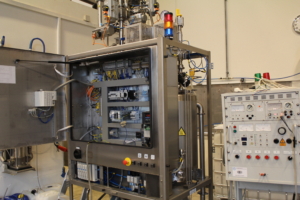
The system and technology
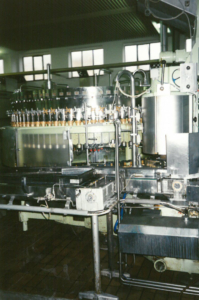
A filling machine with a CIP system
Here, the focus is less on operator access and more on repeatability, reach, and consistent cleaning results.
In many plants, both approaches exist side by side — each covering the areas where it performs best.
𝐖𝐇𝐀𝐓 𝐈𝐓 𝐑𝐄𝐀𝐋𝐋𝐘 𝐂𝐎𝐌𝐄𝐒 𝐃𝐎𝐖𝐍 𝐓𝐎
In most production environments, this is not about choosing one method over the other.
It is about how a line is actually built and operated.
Some parts of the process need the same result every single time — no matter who is cleaning or when it is done. That is where automation naturally fits.
Other areas are less predictable. They change with product, setup, or access. And here, manual cleaning is still the most practical way to stay in control and react on site.
Most factories end up exactly there — not because they planned it that way from the start, but because the equipment and the daily reality of production leave them with no other sensible option.
So, the real question is not what system to choose.
It is where consistency is non-negotiable — and where flexibility is still needed to keep things running properly.
If you would like any support, feel free to contact the nita-team for advice or product ideas.
Phone: +49 2739 403 920
Email: contact@nita-hygiene.com

